HEAVY METAL

This page is also available in English.

CNC press-brake bending

Sheet metal bent to size, repeatably, across the whole series

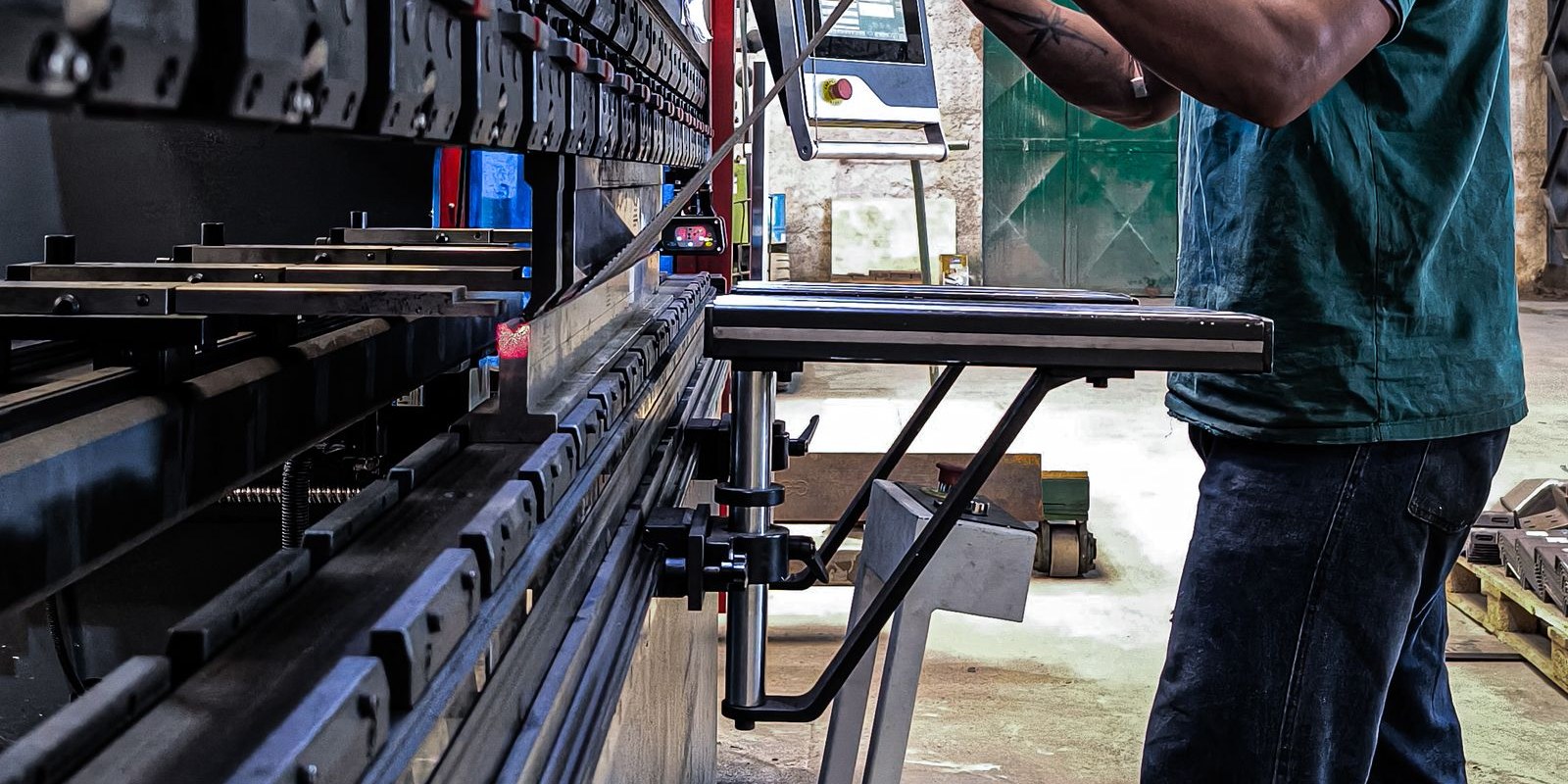
We turn cut parts into profiles, housings, frames and cassettes with constant angles along the full length. CNC press brake, dedicated tooling and springback compensation — the final dimension is the one on the drawing.

  • Sheet up to 12 mm · length 3,000 mm
  • Repeatable angles ±0.5°
  • Cutting + bending in the same workshop
Sheet metal bent to size, repeatably, across the whole series

Applications

What we bend for our partners

Four part families we deliver routinely — for equipment manufacturers, builders, architects and workshops that outsource bending.

Housings & enclosures01

Housings & enclosures

Equipment housings, electrical cabinets, protective boxes, covers and doors — with multiple flanges, cut-outs and holes positioned exactly for assembly.

  • Sheet 0.8 – 4 mm
  • Multiple flanges on one part
  • Ready for spot welding or riveting
Profiles & frames for construction02

Profiles & frames for construction

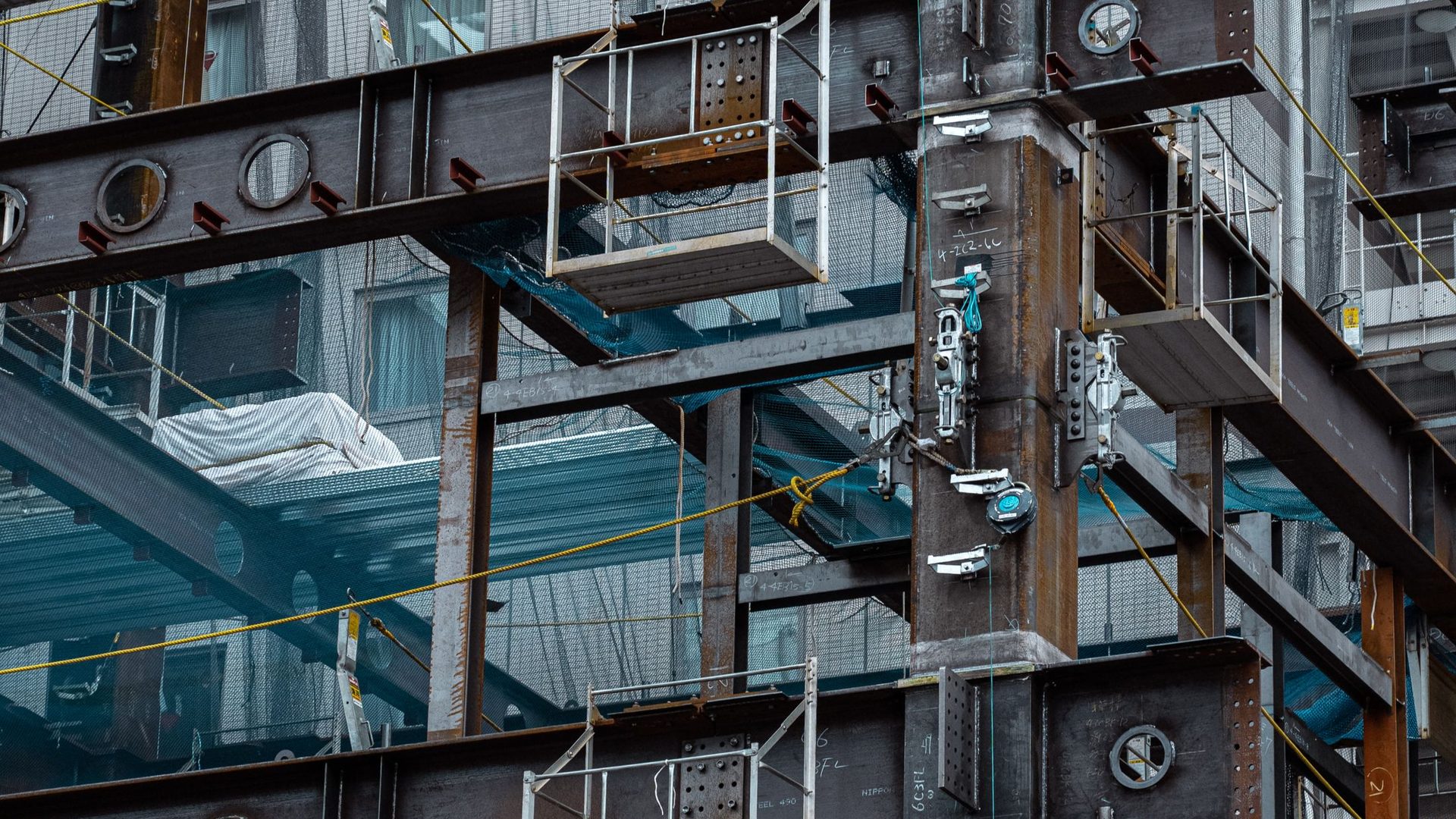
U, L, Z and C profiles, frames, brackets and fixing elements for steel construction, cladding and secondary structures — in lengths up to 3 m.

  • Thickness 2 – 12 mm
  • Lengths up to 3,000 mm
  • Large batches, constant dimension
Architectural elements03

Architectural elements

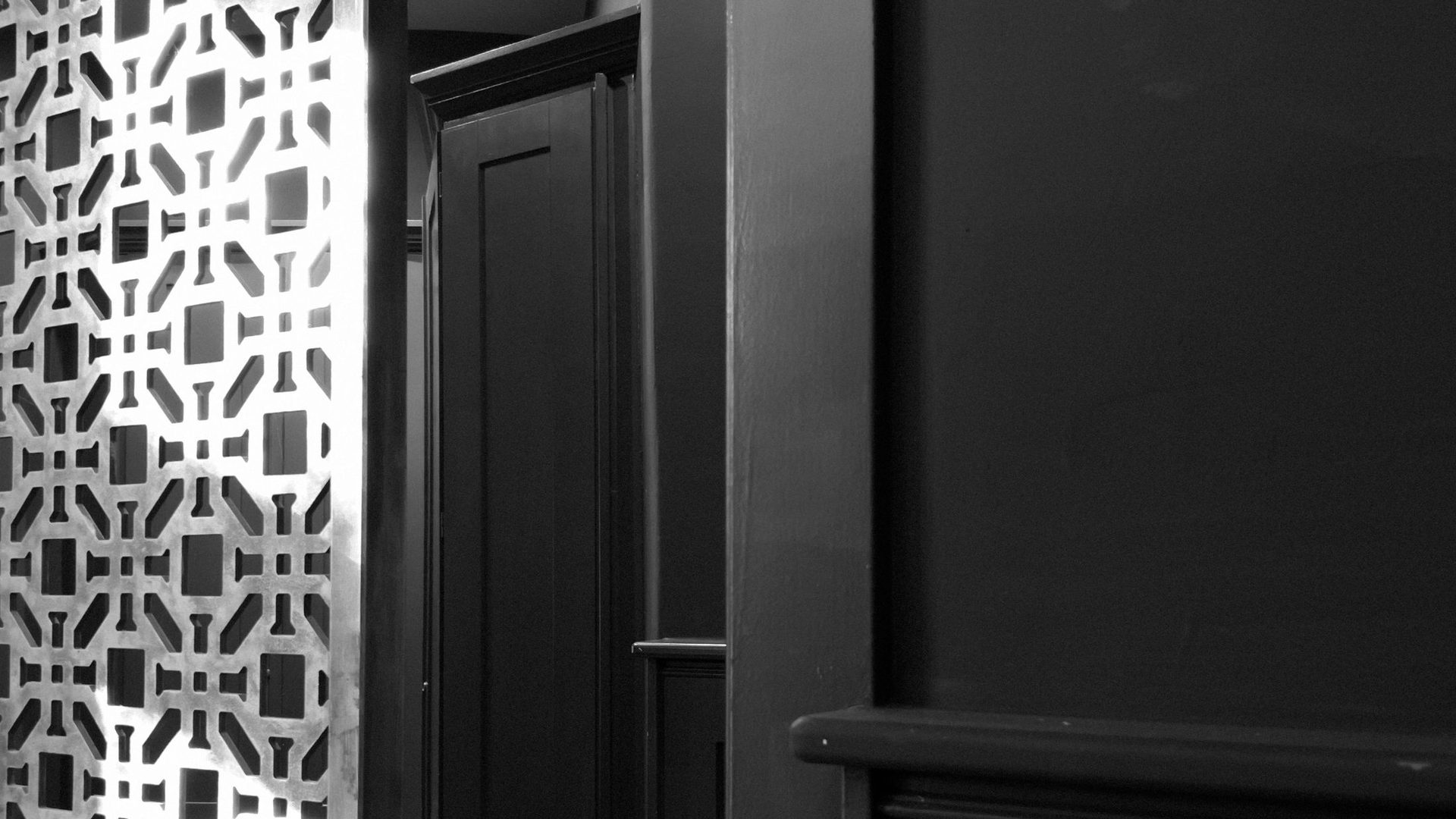
Façade cassettes, sills, copings, louvres and trim profiles — in aluminium, galvanised steel or stainless, ready for powder coating.

  • Controlled bend radii
  • No marks on visible faces
  • Bending from DXF / STEP
Furniture & retail components04

Furniture & retail components

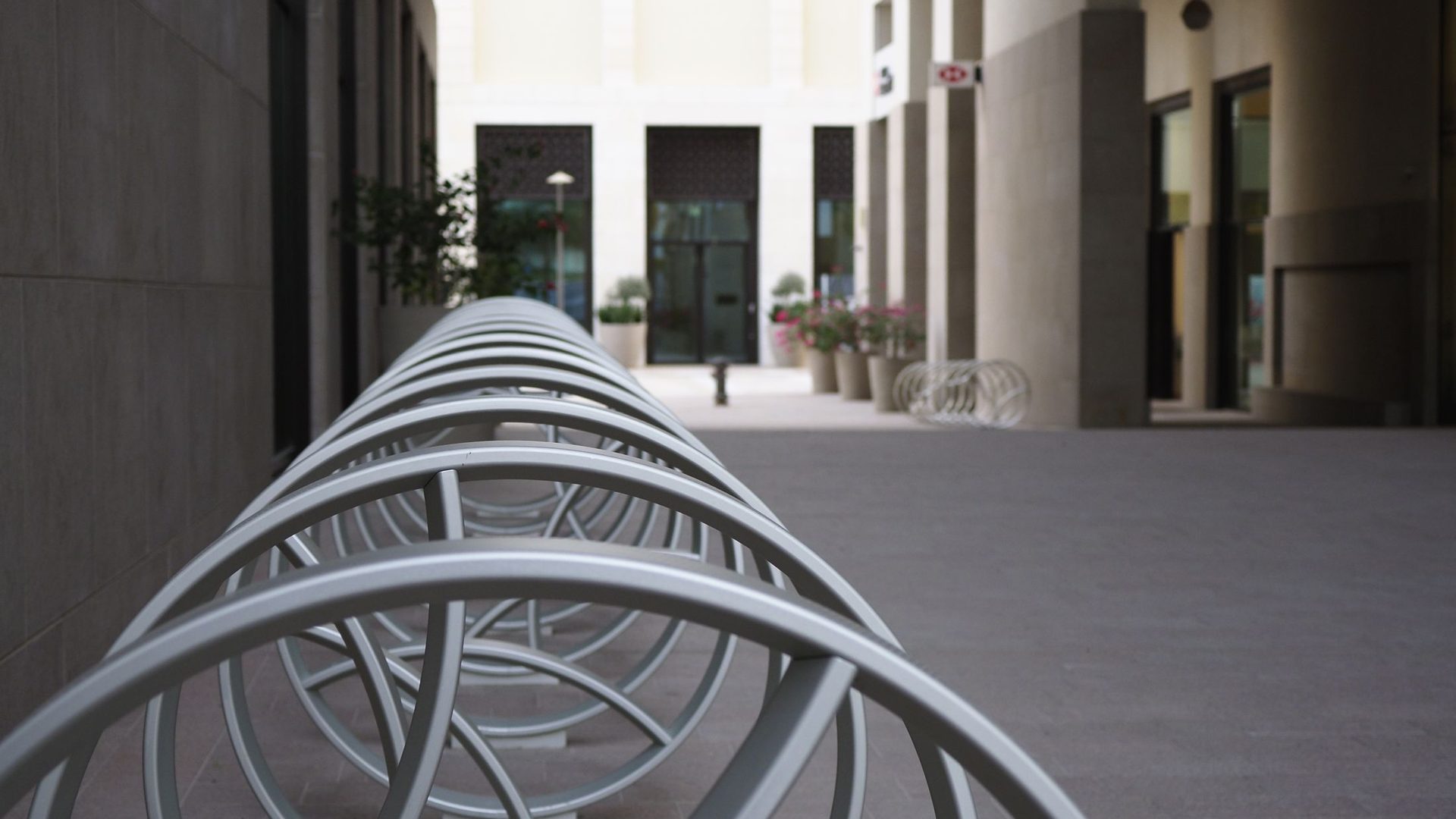
Shelves, legs, panels, drawers and structures for metal furniture, shop fit-outs and street furniture — repeatable series, month after month.

  • Steel, stainless, aluminium
  • Prototype approved before series
  • Flow to welding and coating

For manufacturers & workshops

Series bending with no surprises at assembly

We take your flat patterns or 3D models, define the bend sequence and validate the first part before series. Parts reach you — or our welding and coating lines — at drawing dimensions.

  1. 01

    Flat patterns from your model

    From STEP or DXF we compute the flat pattern with the real K-factors of our tooling — you don't have to guess them.

  2. 02

    First part validated

    The first part is measured and approved (by you or to drawing) before the series starts.

  3. 03

    CNC repeatability

    Backgauge and depth are CNC-controlled — the same dimension from the first to the last part.

  4. 04

    Tooling for radii & hems

    Punches and dies for small radii, closed hems, Z-bends and narrow profiles.

  5. 05

    Visible face protection

    Protective film and film-safe tooling for visible stainless and aluminium — no die marks.

  6. 06

    Full flow

    Cutting → bending → welding → coating in the same workshop, one responsibility for dimension and finish.

Technical parameters

Bending capacity

The values below are what we work with routinely. For special thicknesses, lengths or geometries, ask us — we check on tooling before quoting.

MaterialThicknessMax. lengthAngle toleranceNotes
Carbon steel S235 / DC010.5 – 12 mm3,000 mm±0.5°Heavy gauges on shorter lengths
Galvanised steel0.5 – 4 mm3,000 mm±0.5°Cassettes, sills, cladding profiles
Stainless 304 / 3160.5 – 6 mm3,000 mm±0.5°Film-safe tooling for visible faces
Aluminium0.8 – 8 mm3,000 mm±0.5°Larger radii for hard alloys
Inside radiifrom ~1 × thickness——Depends on material and punch
Closed hems / Zup to 3 mmon request—Hemming and Z-bends with dedicated tooling

Indicative values. Maximum bending length decreases with thickness; special geometries (closed hems, narrow profiles) are checked on tooling before quoting.

Design rules

What helps the part come out right first time

A few simple design rules eliminate rework and lower cost per part. If in doubt, send us the model — we tell you before cutting what needs adjusting.

01

Minimum flange length

The flange must cover the die opening — roughly 6–8 × sheet thickness for standard radii.

02

Holes near bends

Keep holes at least 2.5 × thickness + radius from the bend line, otherwise they distort.

03

Corner reliefs

Bend reliefs at inside corners prevent tearing and cracks.

04

Inside radius

Design with inside radius equal to thickness for steel and larger for hard aluminium.

How we work

From flat pattern to delivered parts, in 4 steps

01

Files & quantities

Send the 3D model or bend drawing, material and quantities. Quote within 24h.

02

Flat pattern & bend sequence

We compute the flat pattern with real K-factors, define the bend sequence and tooling.

03

First part & series

We bend and measure the first part, then run the series with the same CNC parameters.

04

Inspection & delivery

Dimensional check per batch, palletised packing — or on to welding and coating.

What you receive

Bent, inspected parts ready for assembly

We deliver parts bent to size, protected and packed — or take them further through welding and coating if the project requires.

  1. 01

    Parts to dimension

    Angles and dimensions to drawing, verified on the first part and per batch.

  2. 02

    Protected visible faces

    Protective film kept on visible stainless and aluminium until installation.

  3. 03

    Dimensional report

    On request, measurement report on the first part and on a series sample.

  4. 04

    Palletised packing

    Separated by part number, stacked and protected for transport in Romania and the EU.

Data sheet

Technical data

Materials
Carbon steel · galvanised steel · stainless 304 / 316 · aluminium
Thicknesses
Up to 12 mm steel · 6 mm stainless · 8 mm aluminium
Bending length
Up to 3,000 mm
Tolerances
Angle ±0.5° · linear dimensions to drawing
Tooling
Punches and dies for standard radii, small radii, hemming, Z and narrow profiles
Files
STEP, DXF (flat pattern or model), PDF with dimensioned bends
Quantities
From prototype to series of thousands
Next steps
MIG / TIG / laser welding, powder coating — same workshop

FAQ

What partners ask us

How much does press-brake bending cost?+

Price is based on number of bends, length, thickness and quantity — plus tooling set-up. For series, cost per part drops a lot. Send us the model and quantities and we reply within 24h.

Do I need to send the flat pattern?+

Not necessarily. If you send the 3D model (STEP) or a drawing with dimensioned bends, we compute the flat pattern with the real K-factors of our tooling.

Can you bend parts cut elsewhere?+

Yes. We receive your cut parts and bend them. We do recommend cutting with us — the flat pattern is computed on the same tooling and the final dimension comes out right first time.

Do you leave marks on visible stainless or aluminium?+

We use film-safe tooling and protective film on visible faces, so parts reach coating or installation without die marks.

What is the maximum bending length?+

Up to 3,000 mm on standard gauges. On heavy gauges the length decreases; we check on tooling before quoting and confirm what is feasible.

Do you also weld and coat the bent parts?+

Yes. Bent parts go straight to welding and powder coating in the same workshop — you receive finished assemblies, not just bent parts.

Quote within 24h

Send us the model and quantities. We reply with price and lead time.

Mention material, thickness, number of bends and quantity per part. If you also need cutting, welding or coating, we quote the full flow.

WhatsApp

Usamos cookies para mejorar su experiencia. Política de Cookies